Buy safeways.eu ?
We are moving the project
safeways.eu .
Are you interested in purchasing the domain
safeways.eu ?
domain@kv-gmbh.de · 0541-91531010
Buy safeways.eu ?
What is measured in micrometers?
Micrometers are typically used to measure very small distances, such as the diameter of a human hair, the thickness of a piece of paper, or the size of microorganisms like bacteria. They are also commonly used in manufacturing and engineering to measure precise dimensions of small components. In the field of microscopy, micrometers are used to measure the size of cells and other microscopic structures. **
What does 20 micrometers mean?
20 micrometers is a unit of measurement equal to 0.02 millimeters or 0.00002 meters. It is commonly used to measure very small objects such as cells, bacteria, or microscopic particles. To put it in perspective, the average human hair is about 50-70 micrometers in diameter, so 20 micrometers is about a third of the width of a human hair. **


Similar search terms for Micrometers
Top-Angebote
Products related to Micrometers:
-
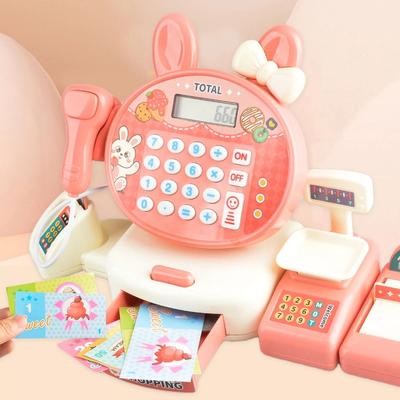
Uplift Essentials Supermarket Simulation Cash Register Set Interactive Educational Grocery Toy Supermarket Simulation Cash Register Set Interactive Educational Grocery Toy"Transform your home into a bustling marketplace with a highaction playset designed to teach the fundamentals of commerce and math. This supermarket simulation cash register provides a realistic ""checkout"" experience, complete with a functional..."61,97 $*Shipping: 0,00 $Secure redirect to the provider



-
How can one convert cubic micrometers to millimeters?
To convert cubic micrometers to millimeters, you can use the following conversion factor: 1 cubic millimeter = 1,000,000 cubic micrometers. So, to convert cubic micrometers to millimeters, you would divide the number of cubic micrometers by 1,000,000. For example, if you have 5,000,000 cubic micrometers, you would divide 5,000,000 by 1,000,000 to get 5 cubic millimeters. **
-
How can one calculate the size of a cell in micrometers?
To calculate the size of a cell in micrometers, one can use a microscope to measure the diameter of the cell. Once the diameter is measured, it can be converted to micrometers by multiplying the measurement in millimeters by 1000. Another method is to use an image analysis software to measure the size of the cell in pixels and then convert the pixel measurement to micrometers using a calibration factor based on the magnification of the microscope. **
-
What units correspond to millimeters, micrometers, and nanometers in the imperial system of the USA?
In the imperial system of the USA, the equivalent units to millimeters, micrometers, and nanometers are inches, millionths of an inch (also known as microinches), and billionths of an inch (also known as nanoinches), respectively. These units are used to measure very small distances and are commonly used in fields such as engineering, manufacturing, and technology. **
-
How much does a supermarket earn from groceries?
The amount a supermarket earns from groceries can vary widely depending on factors such as the size of the store, location, and customer base. On average, supermarkets typically earn a profit margin of around 1-3% on grocery sales. This means that for every dollar of groceries sold, the supermarket makes a profit of 1-3 cents. However, this can fluctuate based on various factors such as competition, pricing strategies, and operational costs. **

Which is the cheapest discount supermarket for groceries?
The cheapest discount supermarket for groceries can vary depending on location and specific items. However, some of the well-known discount supermarkets that are generally considered to offer low prices include Aldi, Lidl, and Walmart. These supermarkets are known for their competitive pricing and focus on offering affordable groceries to their customers. It's always a good idea to compare prices and promotions at different discount supermarkets to find the best deals for your specific grocery needs. **
Are the organic eggs from the supermarket fertilized?
No, the organic eggs from the supermarket are not fertilized. Organic eggs come from hens that are raised in organic, free-range environments and are not in contact with roosters. Therefore, the eggs laid by these hens are not fertilized and will not develop into chicks. The hens lay eggs regardless of whether they have been in contact with a rooster, so the eggs sold in supermarkets are not fertilized. **
Top-Angebote
Products related to Micrometers:
-
Friendly Fresh Finds Foldable Stair Climbing Cart With Seat And Waterproof Bag For Groceries, Laundry And Travel cyanTake the strain out of heavy loads and make every trip feel easier. This stair climbing cart is made for shoppers, apartment dwellers, seniors, and anyone tired of carrying bags by hand. With a roomy waterproof storage bag, builtin seat, and...91,97 $*Shipping: 0,00 $Secure redirect to the provider
-
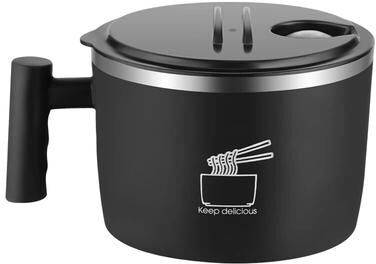
Friendly Fresh Finds Stainless Steel Instant Noodle Bowl With Lid Portable & Sealed For Convenience blueEnjoy your instant noodles like never before with the Stainless Steel Instant Noodle Bowl with Lid. Perfect for noodle lovers, this innovative bowl offers a sealed, portable design that keeps your noodles fresh and secure. Whether you're at home, in...34,97 $*Shipping: 0,00 $Secure redirect to the provider
-
Uplift Essentials Supermarket Simulation Cash Register Set Interactive Educational Grocery Toy Supermarket Simulation Cash Register Set Interactive Educational Grocery Toy"Transform your home into a bustling marketplace with a highaction playset designed to teach the fundamentals of commerce and math. This supermarket simulation cash register provides a realistic ""checkout"" experience, complete with a functional..."61,97 $*Shipping: 0,00 $Secure redirect to the provider
-
What is measured in micrometers?
Micrometers are typically used to measure very small distances, such as the diameter of a human hair, the thickness of a piece of paper, or the size of microorganisms like bacteria. They are also commonly used in manufacturing and engineering to measure precise dimensions of small components. In the field of microscopy, micrometers are used to measure the size of cells and other microscopic structures. **
-
What does 20 micrometers mean?
20 micrometers is a unit of measurement equal to 0.02 millimeters or 0.00002 meters. It is commonly used to measure very small objects such as cells, bacteria, or microscopic particles. To put it in perspective, the average human hair is about 50-70 micrometers in diameter, so 20 micrometers is about a third of the width of a human hair. **
-
How can one convert cubic micrometers to millimeters?
To convert cubic micrometers to millimeters, you can use the following conversion factor: 1 cubic millimeter = 1,000,000 cubic micrometers. So, to convert cubic micrometers to millimeters, you would divide the number of cubic micrometers by 1,000,000. For example, if you have 5,000,000 cubic micrometers, you would divide 5,000,000 by 1,000,000 to get 5 cubic millimeters. **
-
How can one calculate the size of a cell in micrometers?
To calculate the size of a cell in micrometers, one can use a microscope to measure the diameter of the cell. Once the diameter is measured, it can be converted to micrometers by multiplying the measurement in millimeters by 1000. Another method is to use an image analysis software to measure the size of the cell in pixels and then convert the pixel measurement to micrometers using a calibration factor based on the magnification of the microscope. **
Similar search terms for Micrometers
-
Friendly Fresh Finds Foldable Stair Climbing Cart With Seat And Waterproof Bag For Groceries, Laundry And Travel blackTake the strain out of heavy loads and make every trip feel easier. This stair climbing cart is made for shoppers, apartment dwellers, seniors, and anyone tired of carrying bags by hand. With a roomy waterproof storage bag, builtin seat, and...91,97 $*Shipping: 0,00 $Secure redirect to the provider
-
Friendly Fresh Finds Stainless Steel Instant Noodle Bowl With Lid Portable & Sealed For Convenience blackEnjoy your instant noodles like never before with the Stainless Steel Instant Noodle Bowl with Lid. Perfect for noodle lovers, this innovative bowl offers a sealed, portable design that keeps your noodles fresh and secure. Whether you're at home, in...34,97 $*Shipping: 0,00 $Secure redirect to the provider
-
What units correspond to millimeters, micrometers, and nanometers in the imperial system of the USA?
In the imperial system of the USA, the equivalent units to millimeters, micrometers, and nanometers are inches, millionths of an inch (also known as microinches), and billionths of an inch (also known as nanoinches), respectively. These units are used to measure very small distances and are commonly used in fields such as engineering, manufacturing, and technology. **
-
How much does a supermarket earn from groceries?
The amount a supermarket earns from groceries can vary widely depending on factors such as the size of the store, location, and customer base. On average, supermarkets typically earn a profit margin of around 1-3% on grocery sales. This means that for every dollar of groceries sold, the supermarket makes a profit of 1-3 cents. However, this can fluctuate based on various factors such as competition, pricing strategies, and operational costs. **
-
Which is the cheapest discount supermarket for groceries?
The cheapest discount supermarket for groceries can vary depending on location and specific items. However, some of the well-known discount supermarkets that are generally considered to offer low prices include Aldi, Lidl, and Walmart. These supermarkets are known for their competitive pricing and focus on offering affordable groceries to their customers. It's always a good idea to compare prices and promotions at different discount supermarkets to find the best deals for your specific grocery needs. **
-
Are the organic eggs from the supermarket fertilized?
No, the organic eggs from the supermarket are not fertilized. Organic eggs come from hens that are raised in organic, free-range environments and are not in contact with roosters. Therefore, the eggs laid by these hens are not fertilized and will not develop into chicks. The hens lay eggs regardless of whether they have been in contact with a rooster, so the eggs sold in supermarkets are not fertilized. **
* All prices are inclusive of VAT and, if applicable, plus shipping costs. The offer information is based on the details provided by the respective shop and is updated through automated processes. Real-time updates do not occur, so deviations can occur in individual cases. ** Note: Parts of this content were created by AI.