Buy safeways.eu ?
We are moving the project
safeways.eu .
Are you interested in purchasing the domain
safeways.eu ?
domain@kv-gmbh.de · 0541-91531010
Buy safeways.eu ?
What is interphase in biology?
Interphase is the longest phase of the cell cycle, during which the cell grows, carries out its normal functions, and prepares for cell division. It is divided into three stages: G1 (gap 1), S (synthesis), and G2 (gap 2). During G1, the cell grows and carries out its normal functions. In the S phase, the cell replicates its DNA. Finally, in G2, the cell continues to grow and prepares for cell division. Interphase is crucial for ensuring that the cell is ready to divide and that its genetic material is properly replicated. **
When does the interphase follow mitosis?
Interphase follows mitosis in the cell cycle. After a cell completes mitosis, it enters interphase, which is the phase where the cell grows, carries out normal functions, and prepares for the next round of cell division. During interphase, the cell undergoes DNA replication in preparation for the next mitotic division. This phase is crucial for the cell to replenish its resources and ensure proper functioning before entering mitosis again. **


Similar search terms for Interphase
Top-Angebote
Products related to Interphase:
-
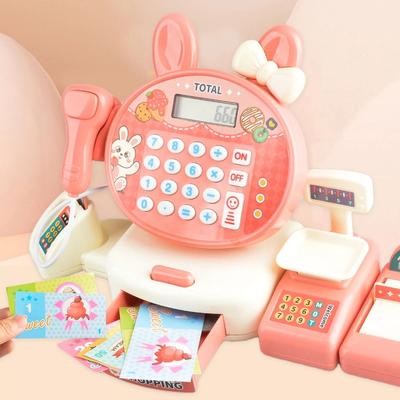
Uplift Essentials Supermarket Simulation Cash Register Set Interactive Educational Grocery Toy Supermarket Simulation Cash Register Set Interactive Educational Grocery Toy"Transform your home into a bustling marketplace with a highaction playset designed to teach the fundamentals of commerce and math. This supermarket simulation cash register provides a realistic ""checkout"" experience, complete with a functional..."61,97 $*Shipping: 0,00 $Secure redirect to the provider



-
What comes first, mitosis or interphase?
Interphase comes before mitosis. Interphase is the phase of the cell cycle during which the cell grows, carries out its normal functions, and replicates its DNA in preparation for cell division. Mitosis is the process of cell division that occurs after interphase, during which the replicated DNA is separated into two identical sets of chromosomes, and the cell divides into two daughter cells. **
-
Why does interphase last longer than mitosis?
Interphase is the longest phase of the cell cycle because it involves the cell growing, carrying out its normal functions, and replicating its DNA in preparation for cell division. This phase is crucial for ensuring that the cell has enough time to grow and duplicate its genetic material accurately before entering mitosis. In contrast, mitosis is a relatively short phase that involves the actual division of the cell's nucleus and cytoplasm into two daughter cells. **
-
Why does the interphase last longer than mitosis?
Interphase lasts longer than mitosis because it is a period of growth and preparation for cell division. During interphase, the cell grows, duplicates its organelles, and replicates its DNA in preparation for division. This process takes time and is necessary for the cell to ensure that it is ready for mitosis. In contrast, mitosis itself is a relatively short process in which the duplicated DNA is divided into two daughter cells. Therefore, interphase is a longer phase in the cell cycle to allow for the necessary growth and preparation for division. **
-
What does a tetraploid chromosome set mean in interphase?
A tetraploid chromosome set in interphase means that the cell contains four sets of chromosomes, instead of the usual two sets found in diploid cells. This can result from errors in cell division processes, leading to an abnormal number of chromosomes. Having a tetraploid chromosome set can impact cell function and may lead to genetic instability or cell death. **


What is the difference between interphase in meiosis and mitosis?
Interphase in meiosis and mitosis are similar in that they both involve cell growth and DNA replication. However, the key difference lies in the outcome of the process. In meiosis, interphase is followed by two rounds of cell division, resulting in the formation of four genetically unique haploid cells. In contrast, mitosis only involves one round of cell division, resulting in the formation of two genetically identical diploid cells. **
What is the difference between the interphase in meiosis and mitosis?
The main difference between the interphase in meiosis and mitosis is that in meiosis, there are two rounds of division (meiosis I and meiosis II), while in mitosis, there is only one round of division. Additionally, during interphase in meiosis, the cell undergoes DNA replication just like in mitosis, but in meiosis, the homologous chromosomes pair up during prophase I, a unique step that does not occur in mitosis. This pairing allows for genetic recombination and crossing over to occur, leading to genetic diversity in the resulting daughter cells. **
Top-Angebote
Products related to Interphase:
-
Friendly Fresh Finds Foldable Stair Climbing Cart With Seat And Waterproof Bag For Groceries, Laundry And Travel cyanTake the strain out of heavy loads and make every trip feel easier. This stair climbing cart is made for shoppers, apartment dwellers, seniors, and anyone tired of carrying bags by hand. With a roomy waterproof storage bag, builtin seat, and...91,97 $*Shipping: 0,00 $Secure redirect to the provider
-
Friendly Fresh Finds Stainless Steel Instant Noodle Bowl With Lid Portable & Sealed For Convenience blueEnjoy your instant noodles like never before with the Stainless Steel Instant Noodle Bowl with Lid. Perfect for noodle lovers, this innovative bowl offers a sealed, portable design that keeps your noodles fresh and secure. Whether you're at home, in...34,97 $*Shipping: 0,00 $Secure redirect to the provider
-
Uplift Essentials Supermarket Simulation Cash Register Set Interactive Educational Grocery Toy Supermarket Simulation Cash Register Set Interactive Educational Grocery Toy"Transform your home into a bustling marketplace with a highaction playset designed to teach the fundamentals of commerce and math. This supermarket simulation cash register provides a realistic ""checkout"" experience, complete with a functional..."61,97 $*Shipping: 0,00 $Secure redirect to the provider
-
What is interphase in biology?
Interphase is the longest phase of the cell cycle, during which the cell grows, carries out its normal functions, and prepares for cell division. It is divided into three stages: G1 (gap 1), S (synthesis), and G2 (gap 2). During G1, the cell grows and carries out its normal functions. In the S phase, the cell replicates its DNA. Finally, in G2, the cell continues to grow and prepares for cell division. Interphase is crucial for ensuring that the cell is ready to divide and that its genetic material is properly replicated. **
-
When does the interphase follow mitosis?
Interphase follows mitosis in the cell cycle. After a cell completes mitosis, it enters interphase, which is the phase where the cell grows, carries out normal functions, and prepares for the next round of cell division. During interphase, the cell undergoes DNA replication in preparation for the next mitotic division. This phase is crucial for the cell to replenish its resources and ensure proper functioning before entering mitosis again. **
-
What comes first, mitosis or interphase?
Interphase comes before mitosis. Interphase is the phase of the cell cycle during which the cell grows, carries out its normal functions, and replicates its DNA in preparation for cell division. Mitosis is the process of cell division that occurs after interphase, during which the replicated DNA is separated into two identical sets of chromosomes, and the cell divides into two daughter cells. **
-
Why does interphase last longer than mitosis?
Interphase is the longest phase of the cell cycle because it involves the cell growing, carrying out its normal functions, and replicating its DNA in preparation for cell division. This phase is crucial for ensuring that the cell has enough time to grow and duplicate its genetic material accurately before entering mitosis. In contrast, mitosis is a relatively short phase that involves the actual division of the cell's nucleus and cytoplasm into two daughter cells. **
Similar search terms for Interphase
-
Friendly Fresh Finds Foldable Stair Climbing Cart With Seat And Waterproof Bag For Groceries, Laundry And Travel blackTake the strain out of heavy loads and make every trip feel easier. This stair climbing cart is made for shoppers, apartment dwellers, seniors, and anyone tired of carrying bags by hand. With a roomy waterproof storage bag, builtin seat, and...91,97 $*Shipping: 0,00 $Secure redirect to the provider
-
Friendly Fresh Finds Stainless Steel Instant Noodle Bowl With Lid Portable & Sealed For Convenience greenEnjoy your instant noodles like never before with the Stainless Steel Instant Noodle Bowl with Lid. Perfect for noodle lovers, this innovative bowl offers a sealed, portable design that keeps your noodles fresh and secure. Whether you're at home, in...34,97 $*Shipping: 0,00 $Secure redirect to the provider
-
Why does the interphase last longer than mitosis?
Interphase lasts longer than mitosis because it is a period of growth and preparation for cell division. During interphase, the cell grows, duplicates its organelles, and replicates its DNA in preparation for division. This process takes time and is necessary for the cell to ensure that it is ready for mitosis. In contrast, mitosis itself is a relatively short process in which the duplicated DNA is divided into two daughter cells. Therefore, interphase is a longer phase in the cell cycle to allow for the necessary growth and preparation for division. **
-
What does a tetraploid chromosome set mean in interphase?
A tetraploid chromosome set in interphase means that the cell contains four sets of chromosomes, instead of the usual two sets found in diploid cells. This can result from errors in cell division processes, leading to an abnormal number of chromosomes. Having a tetraploid chromosome set can impact cell function and may lead to genetic instability or cell death. **
-
What is the difference between interphase in meiosis and mitosis?
Interphase in meiosis and mitosis are similar in that they both involve cell growth and DNA replication. However, the key difference lies in the outcome of the process. In meiosis, interphase is followed by two rounds of cell division, resulting in the formation of four genetically unique haploid cells. In contrast, mitosis only involves one round of cell division, resulting in the formation of two genetically identical diploid cells. **
-
What is the difference between the interphase in meiosis and mitosis?
The main difference between the interphase in meiosis and mitosis is that in meiosis, there are two rounds of division (meiosis I and meiosis II), while in mitosis, there is only one round of division. Additionally, during interphase in meiosis, the cell undergoes DNA replication just like in mitosis, but in meiosis, the homologous chromosomes pair up during prophase I, a unique step that does not occur in mitosis. This pairing allows for genetic recombination and crossing over to occur, leading to genetic diversity in the resulting daughter cells. **
* All prices are inclusive of VAT and, if applicable, plus shipping costs. The offer information is based on the details provided by the respective shop and is updated through automated processes. Real-time updates do not occur, so deviations can occur in individual cases. ** Note: Parts of this content were created by AI.