Buy safeways.eu ?
We are moving the project
safeways.eu .
Are you interested in purchasing the domain
safeways.eu ?
domain@kv-gmbh.de · 0541-91531010
Buy safeways.eu ?
Would infinitive?
Yes, infinitives are a form of a verb that is not conjugated to show tense, person, or number. They are often used after certain verbs like "to be," "to want," or "to need." Infinitives can also be used as nouns, adjectives, or adverbs in a sentence. **
What is an infinitive clause? What is an infinitive?
An infinitive clause is a group of words that includes an infinitive and its associated words, such as objects or modifiers. An infinitive is the base form of a verb, typically preceded by the word "to" (e.g. to run, to eat, to study). Infinitive clauses can function as nouns, adjectives, or adverbs within a sentence, and they are often used to express purpose, intention, or result. **


Similar search terms for Infinitive
Top-Angebote
Products related to Infinitive:
-
Uplift Essentials Supermarket Simulation Cash Register Set Interactive Educational Grocery Toy Supermarket Simulation Cash Register Set Interactive Educational Grocery Toy"Transform your home into a bustling marketplace with a highaction playset designed to teach the fundamentals of commerce and math. This supermarket simulation cash register provides a realistic ""checkout"" experience, complete with a functional..."61,97 $*Shipping: 0,00 $Secure redirect to the provider




-
What is the difference between "arreter de + Infinitive" and "s'arreter + Infinitive"?
The difference between "arreter de + Infinitive" and "s'arreter + Infinitive" lies in the subject of the action. "Arreter de + Infinitive" means to stop doing something, where the subject is external and stops someone or something from doing an action. On the other hand, "s'arreter + Infinitive" means to stop oneself from doing something, where the subject is internal and refers to someone stopping their own action. **
-
What is the infinitive?
The infinitive is the base form of a verb, typically preceded by the word "to" (e.g., to run, to eat). It is the most basic form of the verb and is used in various ways in English grammar, such as to express purpose, obligation, or future actions. The infinitive can also be used without the word "to" in certain constructions, known as bare infinitives (e.g., I must go, let him eat). **
-
What form is the infinitive?
The infinitive is the base form of a verb, typically preceded by the word "to" (e.g. to run, to eat). It is used to express purpose, intention, or potential actions. In English, infinitives can function as nouns, adjectives, or adverbs within a sentence. **
-
What is the perfect infinitive?
The perfect infinitive is a verb form that is used to show an action that was completed before the main verb in the sentence. It is formed by using 'to have' followed by the past participle of the main verb. For example, in the sentence "She seems to have finished her homework," 'to have finished' is the perfect infinitive. This form is commonly used to indicate actions that happened in the past relative to the main verb. **

What is an infinitive example?
An infinitive example is a verb form that is typically preceded by the word "to" (e.g. to run, to eat, to sleep). It is the base form of the verb and is used in a variety of ways in English grammar, such as to express purpose, intention, or obligation. Infinitive examples can also be used as subjects, objects, or complements in a sentence. **
Is it in the infinitive?
No, the sentence does not contain an infinitive. **
Top-Angebote
Products related to Infinitive:
-
Friendly Fresh Finds Foldable Stair Climbing Cart With Seat And Waterproof Bag For Groceries, Laundry And Travel blackTake the strain out of heavy loads and make every trip feel easier. This stair climbing cart is made for shoppers, apartment dwellers, seniors, and anyone tired of carrying bags by hand. With a roomy waterproof storage bag, builtin seat, and...91,97 $*Shipping: 0,00 $Secure redirect to the provider
-
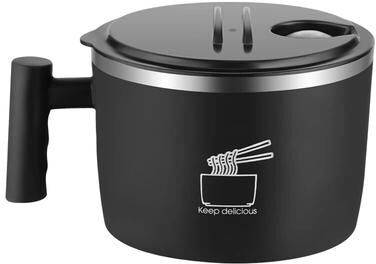
Friendly Fresh Finds Stainless Steel Instant Noodle Bowl With Lid Portable & Sealed For Convenience greenEnjoy your instant noodles like never before with the Stainless Steel Instant Noodle Bowl with Lid. Perfect for noodle lovers, this innovative bowl offers a sealed, portable design that keeps your noodles fresh and secure. Whether you're at home, in...34,97 $*Shipping: 0,00 $Secure redirect to the provider
-
Uplift Essentials Supermarket Simulation Cash Register Set Interactive Educational Grocery Toy Supermarket Simulation Cash Register Set Interactive Educational Grocery Toy"Transform your home into a bustling marketplace with a highaction playset designed to teach the fundamentals of commerce and math. This supermarket simulation cash register provides a realistic ""checkout"" experience, complete with a functional..."61,97 $*Shipping: 0,00 $Secure redirect to the provider
-
Would infinitive?
Yes, infinitives are a form of a verb that is not conjugated to show tense, person, or number. They are often used after certain verbs like "to be," "to want," or "to need." Infinitives can also be used as nouns, adjectives, or adverbs in a sentence. **
-
What is an infinitive clause? What is an infinitive?
An infinitive clause is a group of words that includes an infinitive and its associated words, such as objects or modifiers. An infinitive is the base form of a verb, typically preceded by the word "to" (e.g. to run, to eat, to study). Infinitive clauses can function as nouns, adjectives, or adverbs within a sentence, and they are often used to express purpose, intention, or result. **
-
What is the difference between "arreter de + Infinitive" and "s'arreter + Infinitive"?
The difference between "arreter de + Infinitive" and "s'arreter + Infinitive" lies in the subject of the action. "Arreter de + Infinitive" means to stop doing something, where the subject is external and stops someone or something from doing an action. On the other hand, "s'arreter + Infinitive" means to stop oneself from doing something, where the subject is internal and refers to someone stopping their own action. **
-
What is the infinitive?
The infinitive is the base form of a verb, typically preceded by the word "to" (e.g., to run, to eat). It is the most basic form of the verb and is used in various ways in English grammar, such as to express purpose, obligation, or future actions. The infinitive can also be used without the word "to" in certain constructions, known as bare infinitives (e.g., I must go, let him eat). **
Similar search terms for Infinitive
-
Friendly Fresh Finds Foldable Stair Climbing Cart With Seat And Waterproof Bag For Groceries, Laundry And Travel cyanTake the strain out of heavy loads and make every trip feel easier. This stair climbing cart is made for shoppers, apartment dwellers, seniors, and anyone tired of carrying bags by hand. With a roomy waterproof storage bag, builtin seat, and...91,97 $*Shipping: 0,00 $Secure redirect to the provider
-
Friendly Fresh Finds Stainless Steel Instant Noodle Bowl With Lid Portable & Sealed For Convenience blackEnjoy your instant noodles like never before with the Stainless Steel Instant Noodle Bowl with Lid. Perfect for noodle lovers, this innovative bowl offers a sealed, portable design that keeps your noodles fresh and secure. Whether you're at home, in...34,97 $*Shipping: 0,00 $Secure redirect to the provider
-
What form is the infinitive?
The infinitive is the base form of a verb, typically preceded by the word "to" (e.g. to run, to eat). It is used to express purpose, intention, or potential actions. In English, infinitives can function as nouns, adjectives, or adverbs within a sentence. **
-
What is the perfect infinitive?
The perfect infinitive is a verb form that is used to show an action that was completed before the main verb in the sentence. It is formed by using 'to have' followed by the past participle of the main verb. For example, in the sentence "She seems to have finished her homework," 'to have finished' is the perfect infinitive. This form is commonly used to indicate actions that happened in the past relative to the main verb. **
-
What is an infinitive example?
An infinitive example is a verb form that is typically preceded by the word "to" (e.g. to run, to eat, to sleep). It is the base form of the verb and is used in a variety of ways in English grammar, such as to express purpose, intention, or obligation. Infinitive examples can also be used as subjects, objects, or complements in a sentence. **
-
Is it in the infinitive?
No, the sentence does not contain an infinitive. **
* All prices are inclusive of VAT and, if applicable, plus shipping costs. The offer information is based on the details provided by the respective shop and is updated through automated processes. Real-time updates do not occur, so deviations can occur in individual cases. ** Note: Parts of this content were created by AI.