Buy safeways.eu ?
We are moving the project
safeways.eu .
Are you interested in purchasing the domain
safeways.eu ?
domain@kv-gmbh.de · 0541-91531010
Buy safeways.eu ?
Can a molecule without a chiral center be chiral?
Yes, a molecule without a chiral center can still be chiral if it has a chiral axis or plane of symmetry. Molecules with a chiral axis or plane of symmetry can exhibit chirality even without a chiral center. This type of chirality is known as axial chirality or planar chirality, and it arises from the arrangement of substituents around an axis or within a plane in a way that prevents the molecule from being superimposable on its mirror image. **
What does chiral mean?
Chiral refers to a molecule that is not superimposable on its mirror image. This means that chiral molecules have a non-superimposable mirror image, similar to how our left and right hands are not identical. Chirality is an important concept in chemistry and biology, as chiral molecules can have different properties and interactions with other molecules. **


Similar search terms for Chiral
Top-Angebote
Products related to Chiral:
-
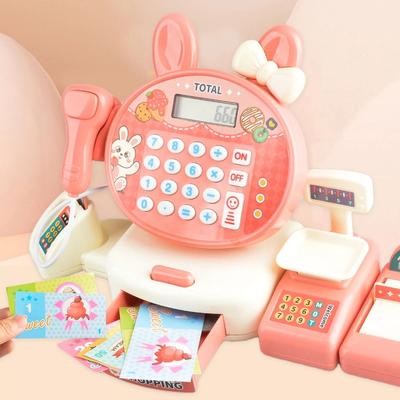
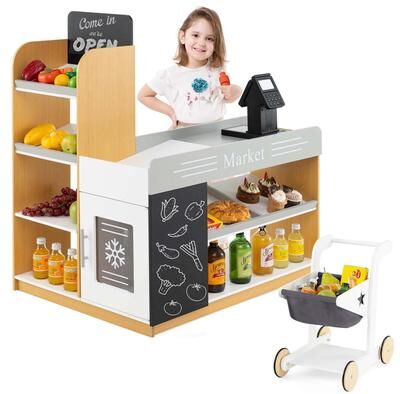
Uplift Essentials Supermarket Simulation Cash Register Set Interactive Educational Grocery Toy Supermarket Simulation Cash Register Set Interactive Educational Grocery Toy"Transform your home into a bustling marketplace with a highaction playset designed to teach the fundamentals of commerce and math. This supermarket simulation cash register provides a realistic ""checkout"" experience, complete with a functional..."61,97 $*Shipping: 0,00 $Secure redirect to the provider
-
Is the compound chiral?
To determine if a compound is chiral, we need to examine its molecular structure and look for the presence of a chiral center. A chiral center is a carbon atom bonded to four different groups. If the compound contains at least one chiral center, then it is chiral. However, if the compound lacks a chiral center or has a plane of symmetry, then it is achiral. Therefore, the chiral nature of a compound depends on its specific molecular structure. **
-
Why is glucose of chiral nature?
Glucose is of chiral nature because it contains a carbon atom that is bonded to four different groups, resulting in a non-superimposable mirror image called an enantiomer. This carbon atom is known as a chiral center, and its presence in glucose gives rise to its chiral nature. As a result, glucose exists in two enantiomeric forms, known as D-glucose and L-glucose, which have the same chemical formula but differ in their spatial arrangement of atoms. **
-
Could the angular distribution of a chiral gas be achiral with a similarly chiral structured surface?
No, the angular distribution of a chiral gas could not be achiral with a similarly chiral structured surface. The chirality of the gas molecules and the surface structure would interact in a way that preserves the overall chirality of the system. Chirality is a fundamental property that cannot be canceled out by a similarly chiral structure, so the angular distribution of the chiral gas would still exhibit chirality when interacting with a chiral structured surface. **
-
How many chiral centers does benzene have?
Benzene does not have any chiral centers because it is a symmetrical molecule. Chiral centers are carbon atoms that are bonded to four different groups, causing them to be non-superimposable mirror images. Since benzene's structure is planar and symmetrical, it does not have any chiral centers. **

Why does glucose have four chiral centers?
Glucose has four chiral centers because it is a six-carbon molecule with an asymmetric carbon atom at each of these positions. This means that each of these carbon atoms is bonded to four different groups, resulting in the potential for each of them to have two different spatial arrangements, or enantiomers. These chiral centers give glucose its ability to exist in multiple stereoisomeric forms, such as D-glucose and L-glucose, which have different biological properties. **
How do you determine a chiral center in chemistry?
A chiral center in chemistry is determined by looking at the carbon atom that is bonded to four different groups. To determine if a carbon atom is a chiral center, you must examine its immediate surroundings and identify the four unique groups attached to it. If the carbon atom has four different groups bonded to it, it is a chiral center. This is important in organic chemistry because molecules with chiral centers can exist as two non-superimposable mirror images, known as enantiomers, which can have different biological and chemical properties. **
Top-Angebote
Products related to Chiral:
-
Friendly Fresh Finds Foldable Stair Climbing Cart With Seat And Waterproof Bag For Groceries, Laundry And Travel blackTake the strain out of heavy loads and make every trip feel easier. This stair climbing cart is made for shoppers, apartment dwellers, seniors, and anyone tired of carrying bags by hand. With a roomy waterproof storage bag, builtin seat, and...91,97 $*Shipping: 0,00 $Secure redirect to the provider
-
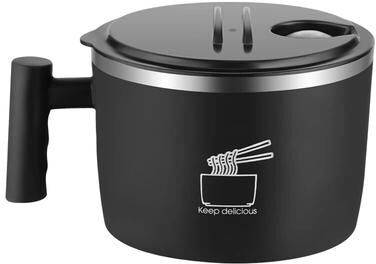
Friendly Fresh Finds Stainless Steel Instant Noodle Bowl With Lid Portable & Sealed For Convenience blueEnjoy your instant noodles like never before with the Stainless Steel Instant Noodle Bowl with Lid. Perfect for noodle lovers, this innovative bowl offers a sealed, portable design that keeps your noodles fresh and secure. Whether you're at home, in...34,97 $*Shipping: 0,00 $Secure redirect to the provider
-
Uplift Essentials Supermarket Simulation Cash Register Set Interactive Educational Grocery Toy Supermarket Simulation Cash Register Set Interactive Educational Grocery Toy"Transform your home into a bustling marketplace with a highaction playset designed to teach the fundamentals of commerce and math. This supermarket simulation cash register provides a realistic ""checkout"" experience, complete with a functional..."61,97 $*Shipping: 0,00 $Secure redirect to the provider
-
Can a molecule without a chiral center be chiral?
Yes, a molecule without a chiral center can still be chiral if it has a chiral axis or plane of symmetry. Molecules with a chiral axis or plane of symmetry can exhibit chirality even without a chiral center. This type of chirality is known as axial chirality or planar chirality, and it arises from the arrangement of substituents around an axis or within a plane in a way that prevents the molecule from being superimposable on its mirror image. **
-
What does chiral mean?
Chiral refers to a molecule that is not superimposable on its mirror image. This means that chiral molecules have a non-superimposable mirror image, similar to how our left and right hands are not identical. Chirality is an important concept in chemistry and biology, as chiral molecules can have different properties and interactions with other molecules. **
-
Is the compound chiral?
To determine if a compound is chiral, we need to examine its molecular structure and look for the presence of a chiral center. A chiral center is a carbon atom bonded to four different groups. If the compound contains at least one chiral center, then it is chiral. However, if the compound lacks a chiral center or has a plane of symmetry, then it is achiral. Therefore, the chiral nature of a compound depends on its specific molecular structure. **
-
Why is glucose of chiral nature?
Glucose is of chiral nature because it contains a carbon atom that is bonded to four different groups, resulting in a non-superimposable mirror image called an enantiomer. This carbon atom is known as a chiral center, and its presence in glucose gives rise to its chiral nature. As a result, glucose exists in two enantiomeric forms, known as D-glucose and L-glucose, which have the same chemical formula but differ in their spatial arrangement of atoms. **
Similar search terms for Chiral
-
Friendly Fresh Finds Foldable Stair Climbing Cart With Seat And Waterproof Bag For Groceries, Laundry And Travel cyanTake the strain out of heavy loads and make every trip feel easier. This stair climbing cart is made for shoppers, apartment dwellers, seniors, and anyone tired of carrying bags by hand. With a roomy waterproof storage bag, builtin seat, and...91,97 $*Shipping: 0,00 $Secure redirect to the provider
-
Friendly Fresh Finds Stainless Steel Instant Noodle Bowl With Lid Portable & Sealed For Convenience blackEnjoy your instant noodles like never before with the Stainless Steel Instant Noodle Bowl with Lid. Perfect for noodle lovers, this innovative bowl offers a sealed, portable design that keeps your noodles fresh and secure. Whether you're at home, in...34,97 $*Shipping: 0,00 $Secure redirect to the provider
-
Could the angular distribution of a chiral gas be achiral with a similarly chiral structured surface?
No, the angular distribution of a chiral gas could not be achiral with a similarly chiral structured surface. The chirality of the gas molecules and the surface structure would interact in a way that preserves the overall chirality of the system. Chirality is a fundamental property that cannot be canceled out by a similarly chiral structure, so the angular distribution of the chiral gas would still exhibit chirality when interacting with a chiral structured surface. **
-
How many chiral centers does benzene have?
Benzene does not have any chiral centers because it is a symmetrical molecule. Chiral centers are carbon atoms that are bonded to four different groups, causing them to be non-superimposable mirror images. Since benzene's structure is planar and symmetrical, it does not have any chiral centers. **
-
Why does glucose have four chiral centers?
Glucose has four chiral centers because it is a six-carbon molecule with an asymmetric carbon atom at each of these positions. This means that each of these carbon atoms is bonded to four different groups, resulting in the potential for each of them to have two different spatial arrangements, or enantiomers. These chiral centers give glucose its ability to exist in multiple stereoisomeric forms, such as D-glucose and L-glucose, which have different biological properties. **
-
How do you determine a chiral center in chemistry?
A chiral center in chemistry is determined by looking at the carbon atom that is bonded to four different groups. To determine if a carbon atom is a chiral center, you must examine its immediate surroundings and identify the four unique groups attached to it. If the carbon atom has four different groups bonded to it, it is a chiral center. This is important in organic chemistry because molecules with chiral centers can exist as two non-superimposable mirror images, known as enantiomers, which can have different biological and chemical properties. **
* All prices are inclusive of VAT and, if applicable, plus shipping costs. The offer information is based on the details provided by the respective shop and is updated through automated processes. Real-time updates do not occur, so deviations can occur in individual cases. ** Note: Parts of this content were created by AI.