Buy safeways.eu ?
We are moving the project
safeways.eu .
Are you interested in purchasing the domain
safeways.eu ?
domain@kv-gmbh.de · 0541-91531010
Buy safeways.eu ?
Is the budgerigar a vertebrate?
Yes, the budgerigar, also known as the common pet parakeet, is a vertebrate. It belongs to the class Aves, which includes all birds, and birds are vertebrates because they have a backbone and a well-developed internal skeleton. Therefore, the budgerigar is indeed a vertebrate. **
Why is a ladybug not a vertebrate?
A ladybug is not a vertebrate because it does not have a backbone or a spinal column. Ladybugs belong to the invertebrate group of animals, which make up the vast majority of animal species on Earth. Invertebrates lack a vertebral column and instead have exoskeletons or other structural support systems to protect their bodies. Ladybugs, like other insects, have an exoskeleton made of a hard outer shell called an exoskeleton, which provides support and protection for their bodies. **


Similar search terms for Vertebrate
Top-Angebote
Products related to Vertebrate:
-
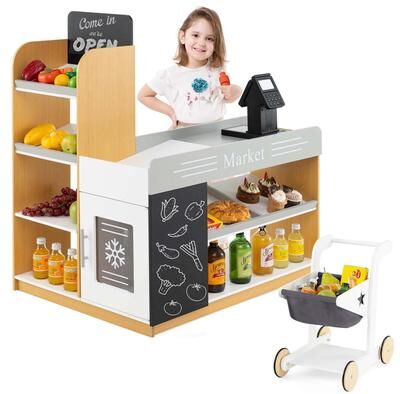
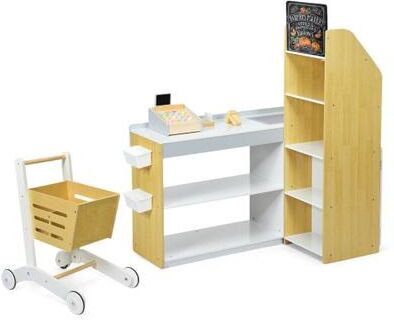
Uplift Essentials Supermarket Simulation Cash Register Set Interactive Educational Grocery Toy Supermarket Simulation Cash Register Set Interactive Educational Grocery Toy"Transform your home into a bustling marketplace with a highaction playset designed to teach the fundamentals of commerce and math. This supermarket simulation cash register provides a realistic ""checkout"" experience, complete with a functional..."61,97 $*Shipping: 0,00 $Secure redirect to the provider

-
What is the largest land-dwelling vertebrate?
The largest land-dwelling vertebrate is the African bush elephant (Loxodonta africana). These majestic creatures can weigh up to 12,000 pounds and stand over 13 feet tall at the shoulder. They are known for their large ears, long tusks, and trunk, which they use for various tasks such as communication, gathering food, and drinking water. African bush elephants are herbivores and can be found in various habitats across sub-Saharan Africa. **
-
What is the correct order of vertebrate classes?
The correct order of vertebrate classes is as follows: Agnatha (jawless fish), Chondrichthyes (cartilaginous fish), Osteichthyes (bony fish), Amphibia (amphibians), Reptilia (reptiles), Aves (birds), and Mammalia (mammals). This order reflects the evolutionary progression of vertebrates from the most primitive jawless fish to the more advanced mammals. Each class has unique characteristics and adaptations that have allowed them to thrive in different environments. **
-
What is the correct order of the vertebrate classes?
The correct order of the vertebrate classes is as follows: Agnatha (jawless fish), Chondrichthyes (cartilaginous fish), Osteichthyes (bony fish), Amphibia (amphibians), Reptilia (reptiles), Aves (birds), and Mammalia (mammals). This order represents the evolutionary progression of vertebrates, with each class building upon the characteristics of the previous one. **
-
Why does humans belong to both the vertebrate and mammal family groups?
Humans belong to both the vertebrate and mammal family groups because they possess a backbone, which is a defining characteristic of vertebrates. Additionally, humans have mammary glands that produce milk to nourish their young, which is a key characteristic of mammals. These shared characteristics place humans within the broader categories of vertebrates and mammals, highlighting their evolutionary relationships with other species in these groups. **


Why does the human belong to both the vertebrate and mammal kinship groups?
The human belongs to both the vertebrate and mammal kinship groups because they possess the defining characteristics of both groups. As a vertebrate, humans have a backbone and an internal skeleton made of bone or cartilage. As a mammal, humans have mammary glands, hair, and a neocortex in the brain. These characteristics place humans within the broader classification of vertebrates and mammals, making them a part of both kinship groups. **
How much does a supermarket earn from groceries?
The amount a supermarket earns from groceries can vary widely depending on factors such as the size of the store, location, and customer base. On average, supermarkets typically earn a profit margin of around 1-3% on grocery sales. This means that for every dollar of groceries sold, the supermarket makes a profit of 1-3 cents. However, this can fluctuate based on various factors such as competition, pricing strategies, and operational costs. **
Top-Angebote
Products related to Vertebrate:
-
Friendly Fresh Finds Foldable Stair Climbing Cart With Seat And Waterproof Bag For Groceries, Laundry And Travel cyanTake the strain out of heavy loads and make every trip feel easier. This stair climbing cart is made for shoppers, apartment dwellers, seniors, and anyone tired of carrying bags by hand. With a roomy waterproof storage bag, builtin seat, and...91,97 $*Shipping: 0,00 $Secure redirect to the provider
-
Friendly Fresh Finds Stainless Steel Instant Noodle Bowl With Lid Portable & Sealed For Convenience greenEnjoy your instant noodles like never before with the Stainless Steel Instant Noodle Bowl with Lid. Perfect for noodle lovers, this innovative bowl offers a sealed, portable design that keeps your noodles fresh and secure. Whether you're at home, in...34,97 $*Shipping: 0,00 $Secure redirect to the provider
-
Uplift Essentials Supermarket Simulation Cash Register Set Interactive Educational Grocery Toy Supermarket Simulation Cash Register Set Interactive Educational Grocery Toy"Transform your home into a bustling marketplace with a highaction playset designed to teach the fundamentals of commerce and math. This supermarket simulation cash register provides a realistic ""checkout"" experience, complete with a functional..."61,97 $*Shipping: 0,00 $Secure redirect to the provider
-
Is the budgerigar a vertebrate?
Yes, the budgerigar, also known as the common pet parakeet, is a vertebrate. It belongs to the class Aves, which includes all birds, and birds are vertebrates because they have a backbone and a well-developed internal skeleton. Therefore, the budgerigar is indeed a vertebrate. **
-
Why is a ladybug not a vertebrate?
A ladybug is not a vertebrate because it does not have a backbone or a spinal column. Ladybugs belong to the invertebrate group of animals, which make up the vast majority of animal species on Earth. Invertebrates lack a vertebral column and instead have exoskeletons or other structural support systems to protect their bodies. Ladybugs, like other insects, have an exoskeleton made of a hard outer shell called an exoskeleton, which provides support and protection for their bodies. **
-
What is the largest land-dwelling vertebrate?
The largest land-dwelling vertebrate is the African bush elephant (Loxodonta africana). These majestic creatures can weigh up to 12,000 pounds and stand over 13 feet tall at the shoulder. They are known for their large ears, long tusks, and trunk, which they use for various tasks such as communication, gathering food, and drinking water. African bush elephants are herbivores and can be found in various habitats across sub-Saharan Africa. **
-
What is the correct order of vertebrate classes?
The correct order of vertebrate classes is as follows: Agnatha (jawless fish), Chondrichthyes (cartilaginous fish), Osteichthyes (bony fish), Amphibia (amphibians), Reptilia (reptiles), Aves (birds), and Mammalia (mammals). This order reflects the evolutionary progression of vertebrates from the most primitive jawless fish to the more advanced mammals. Each class has unique characteristics and adaptations that have allowed them to thrive in different environments. **
Similar search terms for Vertebrate
-
Friendly Fresh Finds Foldable Stair Climbing Cart With Seat And Waterproof Bag For Groceries, Laundry And Travel blackTake the strain out of heavy loads and make every trip feel easier. This stair climbing cart is made for shoppers, apartment dwellers, seniors, and anyone tired of carrying bags by hand. With a roomy waterproof storage bag, builtin seat, and...91,97 $*Shipping: 0,00 $Secure redirect to the provider
-
Friendly Fresh Finds Stainless Steel Instant Noodle Bowl With Lid Portable & Sealed For Convenience blueEnjoy your instant noodles like never before with the Stainless Steel Instant Noodle Bowl with Lid. Perfect for noodle lovers, this innovative bowl offers a sealed, portable design that keeps your noodles fresh and secure. Whether you're at home, in...34,97 $*Shipping: 0,00 $Secure redirect to the provider
-
What is the correct order of the vertebrate classes?
The correct order of the vertebrate classes is as follows: Agnatha (jawless fish), Chondrichthyes (cartilaginous fish), Osteichthyes (bony fish), Amphibia (amphibians), Reptilia (reptiles), Aves (birds), and Mammalia (mammals). This order represents the evolutionary progression of vertebrates, with each class building upon the characteristics of the previous one. **
-
Why does humans belong to both the vertebrate and mammal family groups?
Humans belong to both the vertebrate and mammal family groups because they possess a backbone, which is a defining characteristic of vertebrates. Additionally, humans have mammary glands that produce milk to nourish their young, which is a key characteristic of mammals. These shared characteristics place humans within the broader categories of vertebrates and mammals, highlighting their evolutionary relationships with other species in these groups. **
-
Why does the human belong to both the vertebrate and mammal kinship groups?
The human belongs to both the vertebrate and mammal kinship groups because they possess the defining characteristics of both groups. As a vertebrate, humans have a backbone and an internal skeleton made of bone or cartilage. As a mammal, humans have mammary glands, hair, and a neocortex in the brain. These characteristics place humans within the broader classification of vertebrates and mammals, making them a part of both kinship groups. **
-
How much does a supermarket earn from groceries?
The amount a supermarket earns from groceries can vary widely depending on factors such as the size of the store, location, and customer base. On average, supermarkets typically earn a profit margin of around 1-3% on grocery sales. This means that for every dollar of groceries sold, the supermarket makes a profit of 1-3 cents. However, this can fluctuate based on various factors such as competition, pricing strategies, and operational costs. **
* All prices are inclusive of VAT and, if applicable, plus shipping costs. The offer information is based on the details provided by the respective shop and is updated through automated processes. Real-time updates do not occur, so deviations can occur in individual cases. ** Note: Parts of this content were created by AI.