Buy safeways.eu ?
We are moving the project
safeways.eu .
Are you interested in purchasing the domain
safeways.eu ?
domain@kv-gmbh.de · 0541-91531010
Buy safeways.eu ?
How is uniformity calculated?
Uniformity is calculated by comparing the actual values of a set of data to the expected values. This can be done by using statistical measures such as the coefficient of variation or the standard deviation. The closer the actual values are to the expected values, the higher the level of uniformity. Uniformity is important in various fields such as manufacturing, agriculture, and quality control to ensure consistency and reliability in processes and products. **
Can the principle of uniformity and the rule of uniformity be used synonymously?
No, the principle of uniformity and the rule of uniformity are not synonymous. The principle of uniformity refers to the idea that the same processes and natural laws that operate in the universe today have always operated in the same way in the past. This principle is fundamental to the scientific method and the study of natural phenomena. On the other hand, the rule of uniformity is a legal concept that states that a contract or agreement must be interpreted and applied consistently and uniformly. While both concepts involve the idea of consistency and uniform application, they are used in different contexts and have different implications. **


Similar search terms for Uniformity
Top-Angebote
Products related to Uniformity:
-
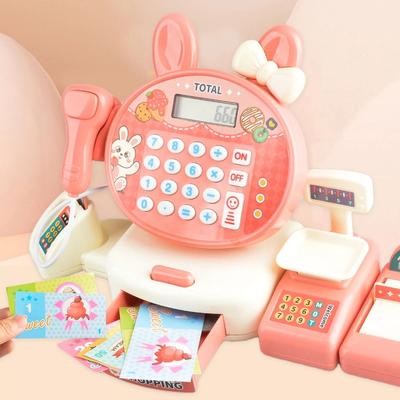
Uplift Essentials Supermarket Simulation Cash Register Set Interactive Educational Grocery Toy Supermarket Simulation Cash Register Set Interactive Educational Grocery Toy"Transform your home into a bustling marketplace with a highaction playset designed to teach the fundamentals of commerce and math. This supermarket simulation cash register provides a realistic ""checkout"" experience, complete with a functional..."61,97 $*Shipping: 0,00 $Secure redirect to the provider


-
How do you calculate uniformity?
Uniformity can be calculated by dividing the smallest value in a set of data by the largest value. This ratio provides a measure of how closely the values in the data set are distributed. A uniformity ratio close to 1 indicates a high level of uniformity, meaning the values are evenly distributed. Conversely, a ratio significantly higher than 1 suggests a lack of uniformity, with some values being much larger than others. **
-
Does the uniformity already begin in kindergarten?
Uniformity in kindergarten can begin in various ways, such as through dress codes, classroom rules, and learning expectations. For example, many kindergartens have a dress code that requires students to wear a uniform or adhere to a specific dress standard. Additionally, classroom rules and learning expectations can also contribute to uniformity by setting standard behaviors and academic goals for all students. However, it's important to note that while some level of uniformity may exist in kindergarten, there is also a focus on individual development and creativity at this stage of education. **
-
What are the rules for school sports regarding barefoot requirements and uniformity of clothing?
In most school sports, athletes are required to wear appropriate footwear for safety reasons, so going barefoot is usually not allowed. Additionally, there are usually rules in place regarding the uniformity of clothing, with athletes typically required to wear the same team uniform or designated attire to promote a sense of unity and professionalism. These rules help ensure fairness, safety, and a sense of team spirit among all participants. **
-
What does the first Mendelian rule, also known as the Law of Uniformity, state in detail?
The first Mendelian rule, also known as the Law of Uniformity, states that when two individuals that are pure for contrasting traits are crossed, all their offspring in the first generation will be uniform and express only one of the traits. This means that if a purebred tall plant (TT) is crossed with a purebred short plant (tt), all the offspring in the first generation (F1) will be tall (Tt). This law demonstrates the dominance of one trait over the other in the first generation of offspring. **

What does the 1st Mendelian Law, also known as the Law of Uniformity, state in detail?
The 1st Mendelian Law, also known as the Law of Uniformity, states that when two purebred individuals are crossed, all of their offspring will be of the same phenotype. This means that if two individuals with the same genetic makeup are crossed, their offspring will also have the same genetic makeup and exhibit the same traits. This law helps to explain the predictability of inheritance patterns in offspring and is a fundamental principle in the study of genetics. **
How much does a supermarket earn from groceries?
The amount a supermarket earns from groceries can vary widely depending on factors such as the size of the store, location, and customer base. On average, supermarkets typically earn a profit margin of around 1-3% on grocery sales. This means that for every dollar of groceries sold, the supermarket makes a profit of 1-3 cents. However, this can fluctuate based on various factors such as competition, pricing strategies, and operational costs. **
Top-Angebote
Products related to Uniformity:
-
Friendly Fresh Finds Foldable Stair Climbing Cart With Seat And Waterproof Bag For Groceries, Laundry And Travel cyanTake the strain out of heavy loads and make every trip feel easier. This stair climbing cart is made for shoppers, apartment dwellers, seniors, and anyone tired of carrying bags by hand. With a roomy waterproof storage bag, builtin seat, and...91,97 $*Shipping: 0,00 $Secure redirect to the provider
-
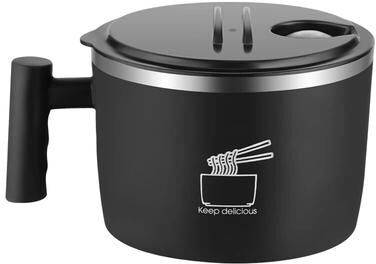
Friendly Fresh Finds Stainless Steel Instant Noodle Bowl With Lid Portable & Sealed For Convenience blueEnjoy your instant noodles like never before with the Stainless Steel Instant Noodle Bowl with Lid. Perfect for noodle lovers, this innovative bowl offers a sealed, portable design that keeps your noodles fresh and secure. Whether you're at home, in...34,97 $*Shipping: 0,00 $Secure redirect to the provider
-
Uplift Essentials Supermarket Simulation Cash Register Set Interactive Educational Grocery Toy Supermarket Simulation Cash Register Set Interactive Educational Grocery Toy"Transform your home into a bustling marketplace with a highaction playset designed to teach the fundamentals of commerce and math. This supermarket simulation cash register provides a realistic ""checkout"" experience, complete with a functional..."61,97 $*Shipping: 0,00 $Secure redirect to the provider
-
How is uniformity calculated?
Uniformity is calculated by comparing the actual values of a set of data to the expected values. This can be done by using statistical measures such as the coefficient of variation or the standard deviation. The closer the actual values are to the expected values, the higher the level of uniformity. Uniformity is important in various fields such as manufacturing, agriculture, and quality control to ensure consistency and reliability in processes and products. **
-
Can the principle of uniformity and the rule of uniformity be used synonymously?
No, the principle of uniformity and the rule of uniformity are not synonymous. The principle of uniformity refers to the idea that the same processes and natural laws that operate in the universe today have always operated in the same way in the past. This principle is fundamental to the scientific method and the study of natural phenomena. On the other hand, the rule of uniformity is a legal concept that states that a contract or agreement must be interpreted and applied consistently and uniformly. While both concepts involve the idea of consistency and uniform application, they are used in different contexts and have different implications. **
-
How do you calculate uniformity?
Uniformity can be calculated by dividing the smallest value in a set of data by the largest value. This ratio provides a measure of how closely the values in the data set are distributed. A uniformity ratio close to 1 indicates a high level of uniformity, meaning the values are evenly distributed. Conversely, a ratio significantly higher than 1 suggests a lack of uniformity, with some values being much larger than others. **
-
Does the uniformity already begin in kindergarten?
Uniformity in kindergarten can begin in various ways, such as through dress codes, classroom rules, and learning expectations. For example, many kindergartens have a dress code that requires students to wear a uniform or adhere to a specific dress standard. Additionally, classroom rules and learning expectations can also contribute to uniformity by setting standard behaviors and academic goals for all students. However, it's important to note that while some level of uniformity may exist in kindergarten, there is also a focus on individual development and creativity at this stage of education. **
Similar search terms for Uniformity
-
Friendly Fresh Finds Foldable Stair Climbing Cart With Seat And Waterproof Bag For Groceries, Laundry And Travel blackTake the strain out of heavy loads and make every trip feel easier. This stair climbing cart is made for shoppers, apartment dwellers, seniors, and anyone tired of carrying bags by hand. With a roomy waterproof storage bag, builtin seat, and...91,97 $*Shipping: 0,00 $Secure redirect to the provider
-
Friendly Fresh Finds Stainless Steel Instant Noodle Bowl With Lid Portable & Sealed For Convenience blackEnjoy your instant noodles like never before with the Stainless Steel Instant Noodle Bowl with Lid. Perfect for noodle lovers, this innovative bowl offers a sealed, portable design that keeps your noodles fresh and secure. Whether you're at home, in...34,97 $*Shipping: 0,00 $Secure redirect to the provider
-
What are the rules for school sports regarding barefoot requirements and uniformity of clothing?
In most school sports, athletes are required to wear appropriate footwear for safety reasons, so going barefoot is usually not allowed. Additionally, there are usually rules in place regarding the uniformity of clothing, with athletes typically required to wear the same team uniform or designated attire to promote a sense of unity and professionalism. These rules help ensure fairness, safety, and a sense of team spirit among all participants. **
-
What does the first Mendelian rule, also known as the Law of Uniformity, state in detail?
The first Mendelian rule, also known as the Law of Uniformity, states that when two individuals that are pure for contrasting traits are crossed, all their offspring in the first generation will be uniform and express only one of the traits. This means that if a purebred tall plant (TT) is crossed with a purebred short plant (tt), all the offspring in the first generation (F1) will be tall (Tt). This law demonstrates the dominance of one trait over the other in the first generation of offspring. **
-
What does the 1st Mendelian Law, also known as the Law of Uniformity, state in detail?
The 1st Mendelian Law, also known as the Law of Uniformity, states that when two purebred individuals are crossed, all of their offspring will be of the same phenotype. This means that if two individuals with the same genetic makeup are crossed, their offspring will also have the same genetic makeup and exhibit the same traits. This law helps to explain the predictability of inheritance patterns in offspring and is a fundamental principle in the study of genetics. **
-
How much does a supermarket earn from groceries?
The amount a supermarket earns from groceries can vary widely depending on factors such as the size of the store, location, and customer base. On average, supermarkets typically earn a profit margin of around 1-3% on grocery sales. This means that for every dollar of groceries sold, the supermarket makes a profit of 1-3 cents. However, this can fluctuate based on various factors such as competition, pricing strategies, and operational costs. **
* All prices are inclusive of VAT and, if applicable, plus shipping costs. The offer information is based on the details provided by the respective shop and is updated through automated processes. Real-time updates do not occur, so deviations can occur in individual cases. ** Note: Parts of this content were created by AI.