Buy safeways.eu ?
We are moving the project
safeways.eu .
Are you interested in purchasing the domain
safeways.eu ?
domain@kv-gmbh.de · 0541-91531010
Buy safeways.eu ?
What is selective mutism?
Selective mutism is a childhood anxiety disorder where a child is unable to speak in certain social situations, despite being able to speak in other settings. It is not a choice or a form of defiance, but rather a result of extreme shyness and anxiety. Children with selective mutism may feel overwhelmed or anxious in social situations, leading to their inability to speak. Treatment typically involves therapy to help the child gradually become more comfortable and confident in speaking in various settings. **
Is selective mutism curable?
Selective mutism is a complex anxiety disorder that can be challenging to treat, but with early intervention and appropriate therapy, many individuals can experience significant improvement in their ability to communicate. While there is no definitive cure for selective mutism, therapy techniques such as cognitive-behavioral therapy (CBT), speech therapy, and exposure therapy have been shown to be effective in helping individuals overcome their communication difficulties. It is important for individuals with selective mutism to work closely with mental health professionals to develop a personalized treatment plan that addresses their specific needs and challenges. **


Similar search terms for Selective
Top-Angebote
Products related to Selective:
-
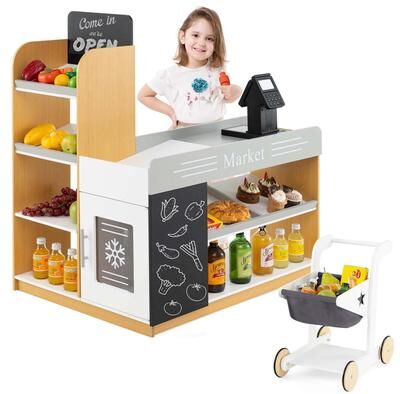
Uplift Essentials Supermarket Simulation Cash Register Set Interactive Educational Grocery Toy Supermarket Simulation Cash Register Set Interactive Educational Grocery Toy"Transform your home into a bustling marketplace with a highaction playset designed to teach the fundamentals of commerce and math. This supermarket simulation cash register provides a realistic ""checkout"" experience, complete with a functional..."61,97 $*Shipping: 0,00 $Secure redirect to the provider



-
Is perception always selective?
Yes, perception is always selective because our brains are constantly bombarded with a vast amount of sensory information, and we cannot possibly process all of it at once. Our brains automatically filter and prioritize information based on our past experiences, beliefs, and expectations. This selective process helps us focus on what is most relevant or important in any given situation, but it also means that our perception is subjective and can be influenced by various factors. **
-
What is selective ketalization?
Selective ketalization is a chemical reaction in which a ketone or aldehyde is selectively converted into a ketal, while leaving other functional groups in the molecule unaffected. This reaction is often used in organic synthesis to protect a carbonyl group from unwanted reactions, while allowing other parts of the molecule to undergo further transformations. Selective ketalization is important in the synthesis of complex organic molecules, as it allows chemists to control the reactivity of specific functional groups within a molecule. **
-
What is selective removal?
Selective removal is the process of specifically targeting and removing certain elements or components from a system, while leaving others intact. This can be done to improve the overall efficiency, functionality, or aesthetics of the system. Selective removal allows for precise control over what is taken out, ensuring that only the desired elements are eliminated. This technique is commonly used in various fields such as environmental conservation, manufacturing, and data analysis. **
-
What is selective breeding?
Selective breeding is the process of choosing and breeding specific plants or animals with desirable traits in order to produce offspring with those same traits. This can involve selecting for traits such as size, color, yield, or resistance to disease. Over time, this process can lead to the development of new varieties or breeds with the desired characteristics. Selective breeding has been used for centuries to improve the quality and productivity of agricultural crops and livestock. **


Are women more selective nowadays?
Yes, women are generally more selective nowadays due to various factors such as increased independence, education, and career opportunities. With more options available to them, women are taking their time to find partners who meet their standards and align with their goals and values. Additionally, societal changes have led to a shift in traditional gender roles, allowing women to be more discerning in their choices when it comes to relationships. **
What does selective perception mean?
Selective perception refers to the tendency of individuals to filter and interpret information based on their own beliefs, attitudes, and experiences. This means that people are more likely to notice and remember information that aligns with their existing beliefs, while ignoring or downplaying information that contradicts their beliefs. Selective perception can lead to biased decision-making and can contribute to the formation of stereotypes and prejudices. It is important to be aware of our own selective perception and actively seek out diverse perspectives in order to make more informed and fair judgments. **
Top-Angebote
Products related to Selective:
-
Friendly Fresh Finds Foldable Stair Climbing Cart With Seat And Waterproof Bag For Groceries, Laundry And Travel blackTake the strain out of heavy loads and make every trip feel easier. This stair climbing cart is made for shoppers, apartment dwellers, seniors, and anyone tired of carrying bags by hand. With a roomy waterproof storage bag, builtin seat, and...91,97 $*Shipping: 0,00 $Secure redirect to the provider
-
Friendly Fresh Finds Stainless Steel Instant Noodle Bowl With Lid Portable & Sealed For Convenience blueEnjoy your instant noodles like never before with the Stainless Steel Instant Noodle Bowl with Lid. Perfect for noodle lovers, this innovative bowl offers a sealed, portable design that keeps your noodles fresh and secure. Whether you're at home, in...34,97 $*Shipping: 0,00 $Secure redirect to the provider
-
Uplift Essentials Supermarket Simulation Cash Register Set Interactive Educational Grocery Toy Supermarket Simulation Cash Register Set Interactive Educational Grocery Toy"Transform your home into a bustling marketplace with a highaction playset designed to teach the fundamentals of commerce and math. This supermarket simulation cash register provides a realistic ""checkout"" experience, complete with a functional..."61,97 $*Shipping: 0,00 $Secure redirect to the provider
-
What is selective mutism?
Selective mutism is a childhood anxiety disorder where a child is unable to speak in certain social situations, despite being able to speak in other settings. It is not a choice or a form of defiance, but rather a result of extreme shyness and anxiety. Children with selective mutism may feel overwhelmed or anxious in social situations, leading to their inability to speak. Treatment typically involves therapy to help the child gradually become more comfortable and confident in speaking in various settings. **
-
Is selective mutism curable?
Selective mutism is a complex anxiety disorder that can be challenging to treat, but with early intervention and appropriate therapy, many individuals can experience significant improvement in their ability to communicate. While there is no definitive cure for selective mutism, therapy techniques such as cognitive-behavioral therapy (CBT), speech therapy, and exposure therapy have been shown to be effective in helping individuals overcome their communication difficulties. It is important for individuals with selective mutism to work closely with mental health professionals to develop a personalized treatment plan that addresses their specific needs and challenges. **
-
Is perception always selective?
Yes, perception is always selective because our brains are constantly bombarded with a vast amount of sensory information, and we cannot possibly process all of it at once. Our brains automatically filter and prioritize information based on our past experiences, beliefs, and expectations. This selective process helps us focus on what is most relevant or important in any given situation, but it also means that our perception is subjective and can be influenced by various factors. **
-
What is selective ketalization?
Selective ketalization is a chemical reaction in which a ketone or aldehyde is selectively converted into a ketal, while leaving other functional groups in the molecule unaffected. This reaction is often used in organic synthesis to protect a carbonyl group from unwanted reactions, while allowing other parts of the molecule to undergo further transformations. Selective ketalization is important in the synthesis of complex organic molecules, as it allows chemists to control the reactivity of specific functional groups within a molecule. **
Similar search terms for Selective
-
Friendly Fresh Finds Foldable Stair Climbing Cart With Seat And Waterproof Bag For Groceries, Laundry And Travel cyanTake the strain out of heavy loads and make every trip feel easier. This stair climbing cart is made for shoppers, apartment dwellers, seniors, and anyone tired of carrying bags by hand. With a roomy waterproof storage bag, builtin seat, and...91,97 $*Shipping: 0,00 $Secure redirect to the provider
-
Friendly Fresh Finds Stainless Steel Instant Noodle Bowl With Lid Portable & Sealed For Convenience greenEnjoy your instant noodles like never before with the Stainless Steel Instant Noodle Bowl with Lid. Perfect for noodle lovers, this innovative bowl offers a sealed, portable design that keeps your noodles fresh and secure. Whether you're at home, in...34,97 $*Shipping: 0,00 $Secure redirect to the provider
-
What is selective removal?
Selective removal is the process of specifically targeting and removing certain elements or components from a system, while leaving others intact. This can be done to improve the overall efficiency, functionality, or aesthetics of the system. Selective removal allows for precise control over what is taken out, ensuring that only the desired elements are eliminated. This technique is commonly used in various fields such as environmental conservation, manufacturing, and data analysis. **
-
What is selective breeding?
Selective breeding is the process of choosing and breeding specific plants or animals with desirable traits in order to produce offspring with those same traits. This can involve selecting for traits such as size, color, yield, or resistance to disease. Over time, this process can lead to the development of new varieties or breeds with the desired characteristics. Selective breeding has been used for centuries to improve the quality and productivity of agricultural crops and livestock. **
-
Are women more selective nowadays?
Yes, women are generally more selective nowadays due to various factors such as increased independence, education, and career opportunities. With more options available to them, women are taking their time to find partners who meet their standards and align with their goals and values. Additionally, societal changes have led to a shift in traditional gender roles, allowing women to be more discerning in their choices when it comes to relationships. **
-
What does selective perception mean?
Selective perception refers to the tendency of individuals to filter and interpret information based on their own beliefs, attitudes, and experiences. This means that people are more likely to notice and remember information that aligns with their existing beliefs, while ignoring or downplaying information that contradicts their beliefs. Selective perception can lead to biased decision-making and can contribute to the formation of stereotypes and prejudices. It is important to be aware of our own selective perception and actively seek out diverse perspectives in order to make more informed and fair judgments. **
* All prices are inclusive of VAT and, if applicable, plus shipping costs. The offer information is based on the details provided by the respective shop and is updated through automated processes. Real-time updates do not occur, so deviations can occur in individual cases. ** Note: Parts of this content were created by AI.