Buy safeways.eu ?
We are moving the project
safeways.eu .
Are you interested in purchasing the domain
safeways.eu ?
domain@kv-gmbh.de · 0541-91531010
Buy safeways.eu ?
Which sects have their own scriptures?
Several sects within various religions have their own scriptures. For example, in Christianity, the Latter-day Saints (Mormons) have the Book of Mormon in addition to the Bible. In Islam, the Shia sect has their own collection of Hadiths and interpretations of the Quran. In Hinduism, different sects have their own sacred texts, such as the Vedas for the Vedic tradition, the Bhagavad Gita for the Vaishnavism tradition, and the Agamas for the Shaivism tradition. These scriptures often contain unique teachings and beliefs specific to each sect. **
What are the sacred scriptures of Buddhism?
The sacred scriptures of Buddhism are known as the Tripitaka, which means "Three Baskets" in Pali. The Tripitaka is a collection of teachings attributed to the Buddha and includes three sections: the Vinaya Pitaka (rules for monastic discipline), the Sutta Pitaka (discourses of the Buddha), and the Abhidhamma Pitaka (philosophical and psychological analysis). These scriptures are considered the most authoritative texts in Buddhism and are used by different Buddhist traditions around the world. **


Similar search terms for Scriptures
Top-Angebote
Products related to Scriptures:
-
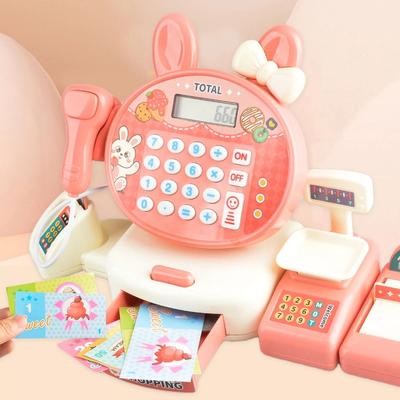
Uplift Essentials Supermarket Simulation Cash Register Set Interactive Educational Grocery Toy Supermarket Simulation Cash Register Set Interactive Educational Grocery Toy"Transform your home into a bustling marketplace with a highaction playset designed to teach the fundamentals of commerce and math. This supermarket simulation cash register provides a realistic ""checkout"" experience, complete with a functional..."61,97 $*Shipping: 0,00 $Secure redirect to the provider



-
What are the sacred scriptures in Buddhism?
The sacred scriptures in Buddhism are known as the Tripitaka, which means "Three Baskets." The Tripitaka is a collection of teachings attributed to the Buddha and is divided into three sections: the Vinaya Pitaka (rules for monks and nuns), the Sutta Pitaka (teachings and discourses of the Buddha), and the Abhidhamma Pitaka (philosophical and psychological analysis of the Buddha's teachings). These scriptures are considered the authoritative texts in Buddhism and are revered by Buddhists around the world. **
-
Do Jewish women also read the Holy Scriptures?
Yes, Jewish women also read the Holy Scriptures. In Judaism, both men and women are encouraged to study and engage with the sacred texts. Women have been active participants in Jewish religious life for centuries, and many have deep knowledge and understanding of the scriptures. In modern times, there are numerous resources available to help Jewish women access and study the Holy Scriptures. **
-
Do religious scriptures make prose and poetry absurd?
No, religious scriptures do not make prose and poetry absurd. In fact, many religious scriptures contain beautiful and profound prose and poetry that have inspired countless people throughout history. These scriptures often use poetic language and literary devices to convey deep spiritual and moral truths. While some may interpret religious scriptures in a literal and rigid manner, many others appreciate the poetic and metaphorical elements as a way to convey timeless wisdom and universal truths. **
-
What is the so-called ego death in religious scriptures?
The concept of ego death in religious scriptures refers to the idea of transcending the individual self and experiencing a sense of oneness with the divine or the universe. It is often described as a profound spiritual experience where the ego, or the sense of separate self, dissolves, leading to a deep sense of interconnectedness and unity. This concept is found in various religious traditions, such as Hinduism, Buddhism, and mystical branches of Christianity and Islam, and is often associated with the pursuit of spiritual enlightenment and liberation from suffering. The experience of ego death is seen as a transformative and liberating process that allows individuals to transcend their limited sense of self and connect with a higher reality. **


Why do Christians, Muslims, and Jews have holy scriptures at all?
Christians, Muslims, and Jews have holy scriptures because they believe that these texts contain the word of God and provide guidance for living a righteous life. These scriptures are seen as a source of moral and ethical teachings, as well as a way to understand the nature of God and the purpose of human existence. They are also considered to be a record of the relationship between God and humanity, and a source of inspiration and comfort for believers. Overall, these holy scriptures are central to the faith and practice of these religious traditions. **
How do people live who do not live according to the scriptures?
People who do not live according to the scriptures may lead a life that is not guided by moral or ethical principles outlined in religious texts. They may make decisions based solely on personal desires or societal norms rather than on religious teachings. Without the guidance of scriptures, individuals may struggle to find a sense of purpose, direction, or moral compass in their lives. Ultimately, their actions and choices may be driven by secular values or beliefs rather than spiritual ones. **
Top-Angebote
Products related to Scriptures:
-
Friendly Fresh Finds Foldable Stair Climbing Cart With Seat And Waterproof Bag For Groceries, Laundry And Travel blackTake the strain out of heavy loads and make every trip feel easier. This stair climbing cart is made for shoppers, apartment dwellers, seniors, and anyone tired of carrying bags by hand. With a roomy waterproof storage bag, builtin seat, and...91,97 $*Shipping: 0,00 $Secure redirect to the provider
-
Friendly Fresh Finds Stainless Steel Instant Noodle Bowl With Lid Portable & Sealed For Convenience blueEnjoy your instant noodles like never before with the Stainless Steel Instant Noodle Bowl with Lid. Perfect for noodle lovers, this innovative bowl offers a sealed, portable design that keeps your noodles fresh and secure. Whether you're at home, in...34,97 $*Shipping: 0,00 $Secure redirect to the provider
-
Uplift Essentials Supermarket Simulation Cash Register Set Interactive Educational Grocery Toy Supermarket Simulation Cash Register Set Interactive Educational Grocery Toy"Transform your home into a bustling marketplace with a highaction playset designed to teach the fundamentals of commerce and math. This supermarket simulation cash register provides a realistic ""checkout"" experience, complete with a functional..."61,97 $*Shipping: 0,00 $Secure redirect to the provider
-
Which sects have their own scriptures?
Several sects within various religions have their own scriptures. For example, in Christianity, the Latter-day Saints (Mormons) have the Book of Mormon in addition to the Bible. In Islam, the Shia sect has their own collection of Hadiths and interpretations of the Quran. In Hinduism, different sects have their own sacred texts, such as the Vedas for the Vedic tradition, the Bhagavad Gita for the Vaishnavism tradition, and the Agamas for the Shaivism tradition. These scriptures often contain unique teachings and beliefs specific to each sect. **
-
What are the sacred scriptures of Buddhism?
The sacred scriptures of Buddhism are known as the Tripitaka, which means "Three Baskets" in Pali. The Tripitaka is a collection of teachings attributed to the Buddha and includes three sections: the Vinaya Pitaka (rules for monastic discipline), the Sutta Pitaka (discourses of the Buddha), and the Abhidhamma Pitaka (philosophical and psychological analysis). These scriptures are considered the most authoritative texts in Buddhism and are used by different Buddhist traditions around the world. **
-
What are the sacred scriptures in Buddhism?
The sacred scriptures in Buddhism are known as the Tripitaka, which means "Three Baskets." The Tripitaka is a collection of teachings attributed to the Buddha and is divided into three sections: the Vinaya Pitaka (rules for monks and nuns), the Sutta Pitaka (teachings and discourses of the Buddha), and the Abhidhamma Pitaka (philosophical and psychological analysis of the Buddha's teachings). These scriptures are considered the authoritative texts in Buddhism and are revered by Buddhists around the world. **
-
Do Jewish women also read the Holy Scriptures?
Yes, Jewish women also read the Holy Scriptures. In Judaism, both men and women are encouraged to study and engage with the sacred texts. Women have been active participants in Jewish religious life for centuries, and many have deep knowledge and understanding of the scriptures. In modern times, there are numerous resources available to help Jewish women access and study the Holy Scriptures. **
Similar search terms for Scriptures
-
Friendly Fresh Finds Foldable Stair Climbing Cart With Seat And Waterproof Bag For Groceries, Laundry And Travel cyanTake the strain out of heavy loads and make every trip feel easier. This stair climbing cart is made for shoppers, apartment dwellers, seniors, and anyone tired of carrying bags by hand. With a roomy waterproof storage bag, builtin seat, and...91,97 $*Shipping: 0,00 $Secure redirect to the provider
-
Friendly Fresh Finds Stainless Steel Instant Noodle Bowl With Lid Portable & Sealed For Convenience blackEnjoy your instant noodles like never before with the Stainless Steel Instant Noodle Bowl with Lid. Perfect for noodle lovers, this innovative bowl offers a sealed, portable design that keeps your noodles fresh and secure. Whether you're at home, in...34,97 $*Shipping: 0,00 $Secure redirect to the provider
-
Do religious scriptures make prose and poetry absurd?
No, religious scriptures do not make prose and poetry absurd. In fact, many religious scriptures contain beautiful and profound prose and poetry that have inspired countless people throughout history. These scriptures often use poetic language and literary devices to convey deep spiritual and moral truths. While some may interpret religious scriptures in a literal and rigid manner, many others appreciate the poetic and metaphorical elements as a way to convey timeless wisdom and universal truths. **
-
What is the so-called ego death in religious scriptures?
The concept of ego death in religious scriptures refers to the idea of transcending the individual self and experiencing a sense of oneness with the divine or the universe. It is often described as a profound spiritual experience where the ego, or the sense of separate self, dissolves, leading to a deep sense of interconnectedness and unity. This concept is found in various religious traditions, such as Hinduism, Buddhism, and mystical branches of Christianity and Islam, and is often associated with the pursuit of spiritual enlightenment and liberation from suffering. The experience of ego death is seen as a transformative and liberating process that allows individuals to transcend their limited sense of self and connect with a higher reality. **
-
Why do Christians, Muslims, and Jews have holy scriptures at all?
Christians, Muslims, and Jews have holy scriptures because they believe that these texts contain the word of God and provide guidance for living a righteous life. These scriptures are seen as a source of moral and ethical teachings, as well as a way to understand the nature of God and the purpose of human existence. They are also considered to be a record of the relationship between God and humanity, and a source of inspiration and comfort for believers. Overall, these holy scriptures are central to the faith and practice of these religious traditions. **
-
How do people live who do not live according to the scriptures?
People who do not live according to the scriptures may lead a life that is not guided by moral or ethical principles outlined in religious texts. They may make decisions based solely on personal desires or societal norms rather than on religious teachings. Without the guidance of scriptures, individuals may struggle to find a sense of purpose, direction, or moral compass in their lives. Ultimately, their actions and choices may be driven by secular values or beliefs rather than spiritual ones. **
* All prices are inclusive of VAT and, if applicable, plus shipping costs. The offer information is based on the details provided by the respective shop and is updated through automated processes. Real-time updates do not occur, so deviations can occur in individual cases. ** Note: Parts of this content were created by AI.